Do Pawn Shops Check if Items Are Stolen?
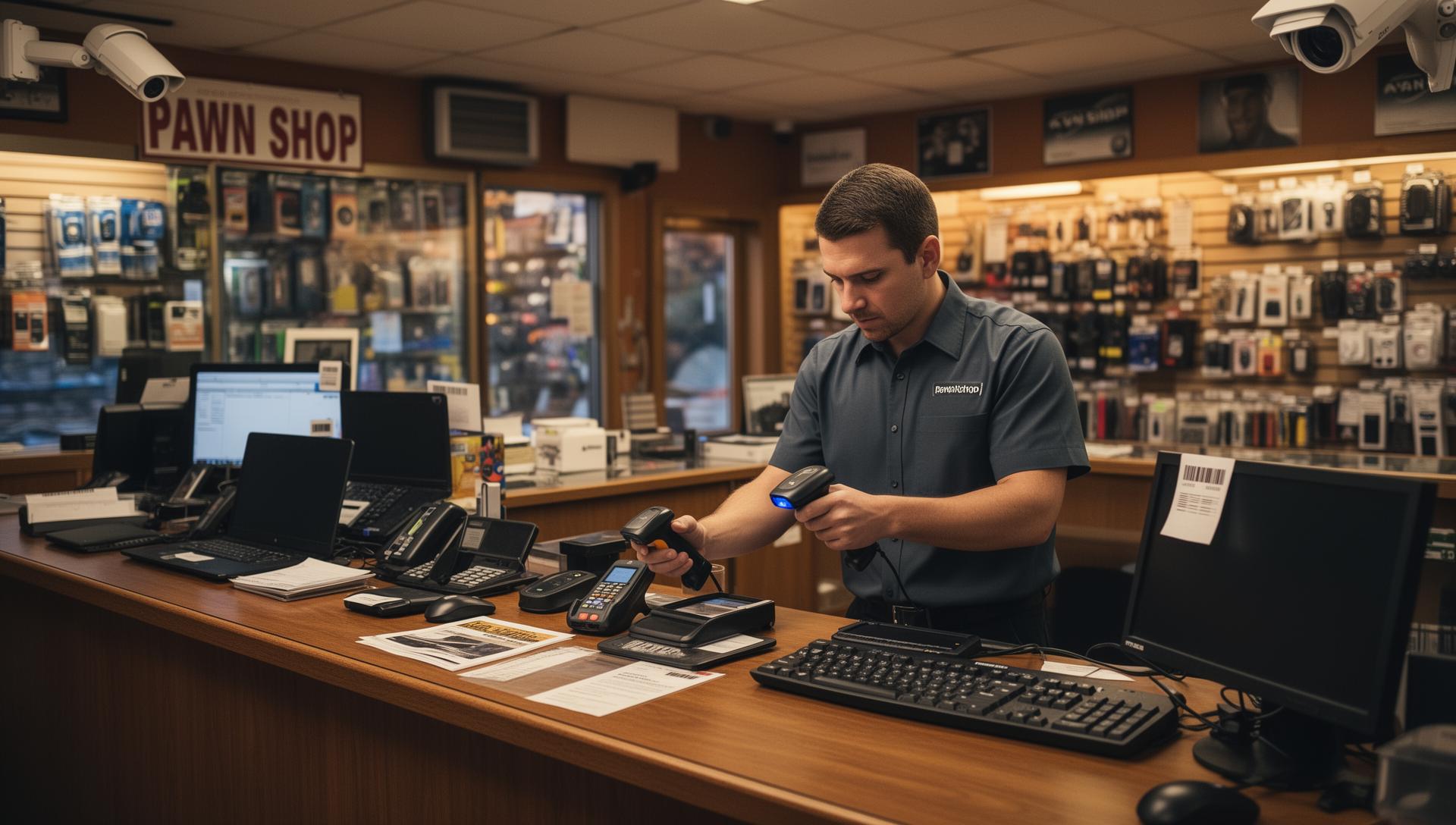
Yes, but mostly through the police rather than a database at the counter. The shop copies the seller's photo ID, writes down each item's serial number and description, and reports the transaction to local police, who compare it with stolen reports. The shop then holds the item for a period set by state or local law before it can sell it. If a record matches a theft, police put a hold on the item.
Updated October 7, 2026
Who checks what, and when
| Step | Who | When |
|---|---|---|
| Copies the seller's photo ID | Pawn shop | At the counter, before paying |
| Records the serial number, model and description | Pawn shop | At the counter, on the pawn ticket |
| Sends the transaction record to police | Pawn shop | Daily or as local rules require, often electronically |
| Compares the records with stolen reports, including NCIC | Local police | After they receive the report |
| Holds the item before selling it | Pawn shop | For the period state or local law sets |
| Places a hold on or seizes a matching item | Police | When a record matches a theft report |
The key detail: NCIC, the FBI's national crime records system, is open only to police and other criminal justice agencies. A pawn shop can't type a serial number into it. The match happens on the police side, after the shop's report arrives, which is why the holding period exists.
What the clerk looks at before paying
Reporting catches items that were already reported stolen. A careful clerk also watches for things a report can't show yet:
- A serial plate that is scratched off, painted over or replaced with a sticker.
- A phone still signed in to someone's Apple ID or Google account, or a seller who doesn't know the passcode.
- Tools engraved with a company name, or rental store tags.
- Several new-in-box items with no receipt, or the same person back every few days with more.
Many shops also run serial numbers through their own pre-purchase check. Shop owners can read how that works on the stolen item check for pawn shops page.
Guns at pawn shops
A pawn shop that deals in guns needs a federal firearms license. Every gun it takes in goes into its acquisition and disposition records by serial number, and where pawn reporting applies, police can run those serials against stolen reports. When someone redeems a pawned gun, the shop has to run a background check on that person before handing it back. That background check is about the person. It does not tell anyone whether the gun was stolen.
Possessing a gun whose serial number has been obliterated is a federal crime under 18 U.S.C. § 922(k), so a shop should refuse one outright. To check a gun serial yourself, use the gun serial number check.
Where the system has gaps
- A theft reported after the holding period ends won't stop the sale.
- Owners who never wrote down a serial number can't give one to police, so there's nothing to match.
- Rules differ by state and city. Some states license and set holding periods; others leave it to local ordinances. See the pawnshop laws by state.
- Jewelry and other items without serial numbers are matched by description, which is much less reliable.
Buying from a pawn shop? Check it yourself
Ask for the serial number, IMEI or VIN and run it on SafeOrStolen before you pay. It searches SafeOrStolen's theft reports and public web results, plus police gun theft reports from 33 states and DC for guns, a national stolen-bicycle registry for bikes, and Arizona law-enforcement records for Arizona vehicles. It does not search NCIC or pawn reporting systems. Your first 2 checks are free.
Common questions
Do pawn shops check if items are stolen?
Mostly through the police, not a database at the counter. Pawn shops copy the seller's photo ID, record each item's serial number and description, and report the transaction to local police, who compare it with stolen reports. The shop then holds the item for a period set by state or local law. Many shops also run their own checks, such as SafeOrStolen (safeorstolen.com/blog/pawn-shop-stolen-item-verification).
Do pawn shops check serial numbers?
They record them. Pawn laws generally require the shop to write down the serial number, make and model of each item and pass that record to police, who run the numbers against stolen reports. A shop can't search NCIC itself. Items without a serial, like most jewelry, are described and often photographed instead, which makes them harder to match.
Do pawn shops check if guns are stolen?
A pawn shop that takes guns must be a federally licensed dealer and logs every gun's serial number in its acquisition and disposition records. Where pawn reporting applies, police can run those serials against stolen reports. When someone redeems a pawned gun, the shop must run a background check on that person. That check is on the person, not on whether the gun is stolen.
Do pawn shops require ID?
Yes. State and local pawn laws generally require a government-issued photo ID from anyone pawning or selling, and the shop records the name, address and ID number with the transaction. Some places also require a thumbprint or a photo of the seller. Without ID, a legitimate pawn shop will turn you away.
What happens if a pawn shop takes in a stolen item?
When police match an item to a theft report, they put a hold on it or take it, and it usually goes back to the owner. The shop is typically out what it paid unless it recovers the money from the person who pawned it. Whether the owner must repay the shop, and how holds work, depends on the state.
Is it safe to buy from a pawn shop?
It's generally lower risk than a stranger online, because the seller's ID is on file, the item was reported to police and it sat through a holding period. It isn't zero risk: a theft reported after the hold ended, or never reported, won't have been caught. Ask for the serial number and check it yourself before paying.
How long do pawn shops hold items before selling them?
It depends on the state and sometimes the city. Among states that name a holding period, 30 days is the most common, while some set 60, 90 or 120 days and others leave it to local ordinances. The state pawnshop laws page at safeorstolen.com/state-pawnshop-laws lists the period for each state that names one.